Understanding Brake Repair: Signs Your Car Needs Help
- rhautomechanic
- Feb 20
- 4 min read
When it comes to vehicle safety, few components are as crucial as the brakes. They are your first line of defense against accidents, and ensuring they are in top condition is vital for your safety and that of others on the road. Ignoring signs of brake issues can lead to severe consequences, including accidents and costly repairs. In this post, we will explore the key indicators that your car needs brake repair and what you can do to address these issues promptly.
Understanding Your Brake System
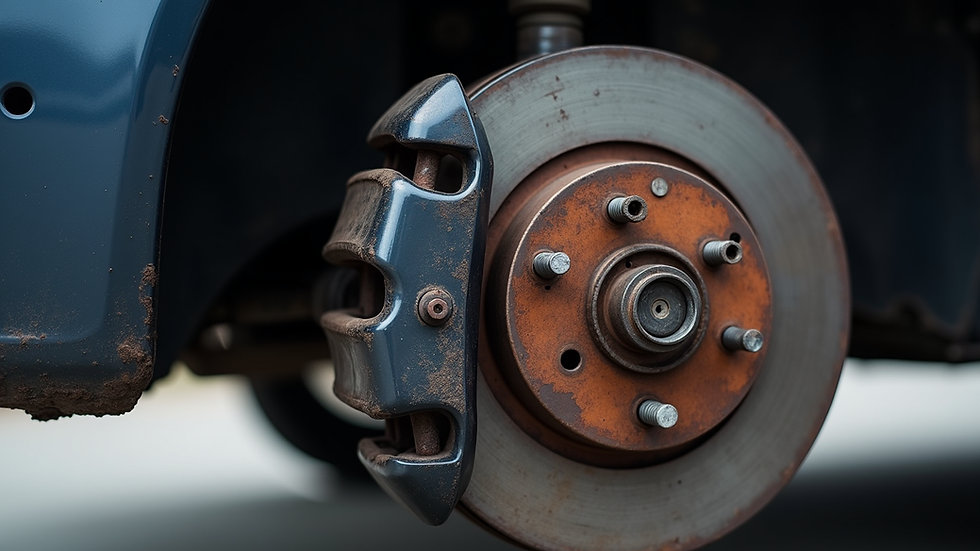
Before diving into the signs that indicate your brakes need attention, it's essential to understand how your brake system works. Most modern vehicles use a hydraulic brake system, which relies on brake fluid to transfer force from the brake pedal to the brake pads. When you press the pedal, the brake fluid pushes the pads against the rotors, creating friction that slows down or stops your vehicle.
Types of Brake Systems
Disc Brakes: Commonly found in modern vehicles, disc brakes consist of a rotor and caliper. The caliper houses the brake pads, which clamp down on the rotor to create friction.
Drum Brakes: Older vehicles often use drum brakes, which consist of a drum that rotates with the wheel and brake shoes that press against the drum to create friction.
Anti-lock Braking System (ABS): This system prevents the wheels from locking up during hard braking, allowing for better control of the vehicle.
Understanding these components can help you identify issues more effectively.
Signs Your Car Needs Brake Repair
1. Squeaking or Squealing Noises
One of the most common signs that your brakes need attention is a high-pitched squeaking or squealing noise when you apply the brakes. This sound often indicates that the brake pads are worn down and need replacement. Many brake pads come with a built-in wear indicator that produces this sound to alert you.
2. Grinding Noises
If you hear a grinding noise when braking, it’s a more severe issue. This sound usually means that the brake pads have worn down completely, and the metal backing is grinding against the rotor. This can cause significant damage to the rotor, leading to costly repairs if not addressed immediately.
3. Vibration or Pulsation
When you apply the brakes, if you feel a vibration or pulsation in the brake pedal, it could indicate warped rotors. Warped rotors can occur due to excessive heat or wear and can affect your vehicle's stopping power. If you experience this, it’s essential to have your brakes inspected.
4. Warning Light on the Dashboard
Most modern vehicles are equipped with a brake warning light on the dashboard. If this light illuminates, it could indicate various issues, including low brake fluid levels or problems with the brake system. Ignoring this warning can lead to more severe issues down the line.
5. Pulling to One Side
If your car pulls to one side when you apply the brakes, it may indicate that one of the brake calipers is sticking or that there is uneven wear on the brake pads. This issue can lead to decreased braking efficiency and should be addressed promptly.
6. Brake Fluid Leak
If you notice a puddle of fluid under your vehicle, it could be brake fluid. Brake fluid is typically clear to yellowish and has a slightly oily texture. A leak can lead to a loss of braking power, making it crucial to have it checked immediately.
7. Soft or Spongy Brake Pedal
If your brake pedal feels soft or spongy when pressed, it could indicate air in the brake lines or a problem with the brake fluid. This issue can significantly affect your vehicle's braking ability and should be inspected by a professional.
8. Increased Stopping Distance
If you find that your vehicle takes longer to stop than it used to, it may be a sign that your brakes are wearing out. This increased stopping distance can be dangerous, especially in emergency situations.
What to Do When You Notice These Signs
Regular Inspections
The best way to ensure your brakes remain in good condition is through regular inspections. Most mechanics recommend having your brakes checked at least once a year or every 12,000 miles. During these inspections, a professional can identify potential issues before they become serious problems.
Replace Worn Brake Pads
If you notice any signs of wear on your brake pads, it's essential to replace them promptly. Most brake pads are designed to last between 30,000 and 70,000 miles, but this can vary based on driving habits and conditions.
Address Brake Fluid Issues
If you suspect a brake fluid leak or notice that your brake fluid is low, have it checked immediately. Replacing old or contaminated brake fluid can improve your braking performance and extend the life of your brake system.
Seek Professional Help
If you're unsure about the condition of your brakes or if you notice any of the signs mentioned above, it's best to seek professional help. A qualified mechanic can diagnose the issue and recommend the necessary repairs.
Conclusion
Understanding the signs that your car needs brake repair is crucial for maintaining your safety on the road. Regular inspections and prompt attention to any issues can help prevent costly repairs and ensure your vehicle remains safe to drive. If you notice any unusual sounds, sensations, or warning lights, don’t hesitate to reach out to a professional mechanic. Your brakes are not just a component of your car; they are a vital part of your safety. Stay proactive, and keep your vehicle in top shape.

Comments